Mythology · 03
The Gods
Before the church, Finland worshipped gods who did not live in heaven but in the earth, the trees, the storm and the sea. They were not far away — they were as close as the weather, the harvest and the catch.
MythologyWhat the old tales tell
Before the coming of the church, the gods did not dwell in distant heights. They breathed in the weather, the humming of the forest, the depths of water and the power of the soil. They were not called down from thrones with prayers — they were encountered in daily life: ploughing the field, felling logs or casting nets into the water. A god was the rain that saved the crop, or the sacred bear that gave its life to feed the clan.
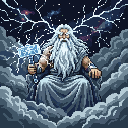
Ukko was the supreme god of sky and thunder, but also the highest guardian of fertility. He was called upon in childbirth to 'release the maiden from her distress', for he was believed to hold the keys to the gates of life. Ukko's feasts, the spring thunder festivals, were not merely prayers for rain but great celebrations of life force, where toasts were raised in honour of new growth.
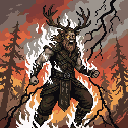
Perkele was the old and powerful name for thunder. With Christianity the name turned evil, but originally it was the same force as Ukko: the rumbling of heaven that awakened the frozen earth in spring. It was a force that was both honoured and feared, but without which nothing would grow.

Ahti and Vellamo ruled the folk of the waters. Ahti lived beneath the sea in Ahtola, his beard made of pike jawbones and his crown of sea pearls. Vellamo was the mistress of water, who carried the waves and granted fishermen their luck. If a boat tipped, one begged Ahti for forgiveness; if the nets filled, thanks went to Vellamo's generosity.
Tapio and Mielikki were the king and mistress of the forest. Tapio guarded the ancient trees and the game, while Mielikki knew the heartbeat of every animal and the secret paths. A hunter did not set out without humble petition: 'Tapio, father of the forest, grant the hunt, do not grant defeat.'
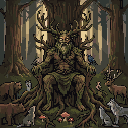
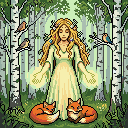
Mielikki whispered the forest's secret paths into the ear, and only the humble found their way. She was the one who softened the path with moss and guided the lost home — or into the forest's hold, if the visitor did not respect the peace of nature.
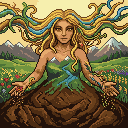
Akka was the mother of the earth, carrying all that grew under her protection. She was not merely a name, but the shared voice of Maa-emoinen and Rauni — the goddesses of earth and fertility. Akka was the power of the soil that received the seed and nourished it. She was thanked whenever bread rose to the table.
Louhi was the mistress of Pohjola, a mighty adversary and witch. She guarded the Sampo, cast spells of disease and gave birth to wolves and bears to protect her realm. She was not evil — she was powerful, and power frightened. The heroes of Kalevala fought against her, but none could claim that Louhi did not take care of her own.
In the game worldHow this appears in The Darkened Northern Lights
In Ukko's event the player encounters a throne formed from clouds under the sky's ceiling. Ukko measures the player and rewards humility, a request for rain, or the courage to touch the hammer.
Ahti rises from the sea through the roof of Ahtola. He measures the player's sacrifice, courage to step into the depths, or greed in asking for fishing grounds.
Ukonvasara is the game's smith, continuing Ilmarinen's legacy. He forges weapons and learns that 'steel alone is not enough — hope is needed too'.
Ukonvasara, the smith
Related articles


Experience this in the game —
Download The Darkened Northern Lights