Mythology · 05
Witches and Wizards
The witch ruled secret knowledge, the power of herbs and spells. The wizard immersed himself in ancient texts and exotic substances. Both could heal or destroy — the difference lay in whether they used their power for the village or against themselves.

MythologyWhat the old tales tell
Today the witch is often thought of as evil — a legacy of witch hunts and fairy tales. But before the church named them evil, the witch was the village's healer and protector. She and the seer were of the same stock — both knew the words, herbs and language of spirits. The difference was direction: the seer used their power for the village's good, the witch might turn it selfishly or in vengeance. But in a village with no doctor, the witch was the one who healed. She was both fearsome and necessary.
The witch knew the herbs that brought down fever and stopped bleeding. She knew the spells that protected house and cattle. With the same hand she could curse: place a curse that followed generations, or spell disease into the enemy's field. Power was neutral — the user gave it colour. Before witch hunts the witch was respected. She gathered herbs, prepared remedies and helped in childbirth. Evil was only made of her by those who judged her.
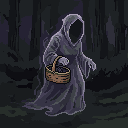
Louhi was the archetype of witches — the mistress of Pohjola, who cast spells, guarded and fought. She gave birth to wolves and bears to protect her Sampo, and when the sons of Kaleva came to steal, she turned her power against them. She was not an evil witch but a mother defending her child — and the Sampo was her child.

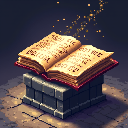
The wizard was the learned man's practitioner of magic. He read the stars, knew rare substances and sought from old books secrets that ordinary people had forgotten. The wizard did not drum in trance — he mixed, measured and locked. He was witch-wise, but book-wise. His laboratory was a smoke cottage, and his experiments were remedies that saved lives.
In the 17th century witch hunts, many — especially women and Sámi — were accused of witchcraft and executed. At the same time the seers' drums were destroyed, seidas felled and generations of knowledge burned. What was lost did not return: entire ways of healing, negotiating and understanding the world were destroyed by what was feared.

In the game worldHow this appears in The Darkened Northern Lights
In the game world a witch's house-spirit guards the legacy of an old seer's cottage: spells and herbs without which the world would be a colder place. Räppänä explains: 'The witch's house-spirit is old and wise folk. It has tended the seer's cottage and herbs for decades.'
Vaski mentions having served 'a hundred witches' over the ages — brewed poisons, love potions and healing draughts. 'The soup is the same, only the purpose changes.'
Tekotaika seeks the 'Philosopher's Stone' — an alchemical witch and wizard who wants to turn darkness into brightness. In the end they understand that Vaski's stories are maps, not fairy tales.
Varpu, witch of nature
Related articles



Experience this in the game —
Download The Darkened Northern Lights